


Glutamine for Recovery: What It Is, What the Evidence Says, and Who Might Consider It

Updated: 2 hours ago
Glutamine is one of the most common recovery supplements on the shelf, and one of the least settled. This guide covers what it is, where you already get it, and what to check before deciding it is worth adding.
Key Takeaways
Glutamine is an amino acid your body makes and that you also get from protein foods.
Research on glutamine supplements for muscle recovery in healthy, well-fed lifters is mixed. PubMed — glutamine and exercise recovery
Enough total protein, calories, and sleep matter more than any single amino acid.
Check the label for the amount of glutamine per serving.
What it is
Glutamine is an amino acid that is part of the protein in meat, fish, eggs, dairy, beans, and other foods. The body also makes it. It is used by many tissues, including the gut and immune cells, which is why it gets attention in sports nutrition.
What the research does and doesn't show
Studies have looked at glutamine for soreness, muscle recovery, and immune markers after hard exercise. Results vary, and many of them used small groups, different doses, and different training. It is not established that glutamine speeds recovery in people who already eat enough protein.
Whey protein already contains glutamine as part of its protein, so if you use whey daily, you may already be getting some.
Who might consider it
Glutamine is optional. People who sometimes consider it include:
Those with very high training volumes or several sessions a day
Those whose food intake is limited and hard to improve
People who like a flavored recovery drink as part of a routine
If you have liver or kidney disease, or take medication, talk with a healthcare professional first.
Fix the basics first
Total daily protein. See How Much Protein Do You Actually Need After Training? How Much Protein Do You Actually Need After Training?.
Enough carbohydrate and calories for the training you do.
Sleep. See Sleep Is a Supplement Sleep Is a Supplement.
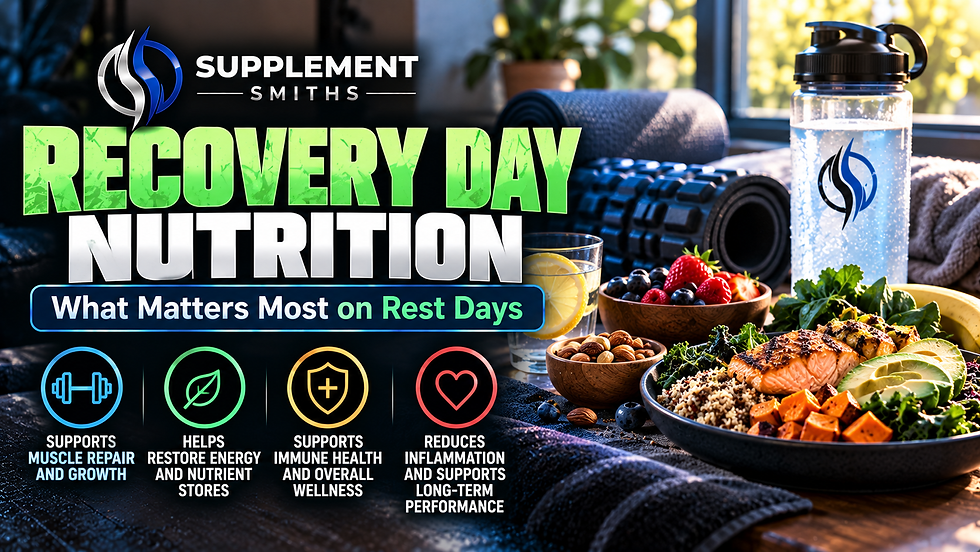
Rest days. See Recovery Day Nutrition Recovery Day Nutrition.
How to read a glutamine label
Grams of L-glutamine per serving. It should be stated. A scoop weight alone does not tell you.
Serving size and servings per container.
Other ingredients. Flavored powders may include acids, flavors, and sweeteners.
Allergens and warnings.
Testing.
Looking at one product
Our Glutamine Pure Recovery Organic is a powder with a 5 g scoop listed as the serving size, and the other ingredients include flavors, citric acid, malic acid, and the sweeteners acesulfame potassium and sucralose. Review the full Supplement Facts and ingredient information on the product page before deciding.
Using it
Mix in cold water as the label directs.
Keep the same timing for a couple of weeks if you test it, and note how recovery feels.
If you notice stomach upset, stop.
The takeaway
Glutamine is optional, and the evidence for healthy lifters is mixed. Get protein, food, and sleep right first, and check the label for the amount per serving.
These statements have not been evaluated by the Food and Drug Administration. This product is not intended to diagnose, treat, cure, or prevent any disease.
The information in this article is for educational purposes only and is not medical advice. Talk with a qualified healthcare professional before starting a new supplement, especially if you have a medical condition, are pregnant or breastfeeding, or take medication.

Comments